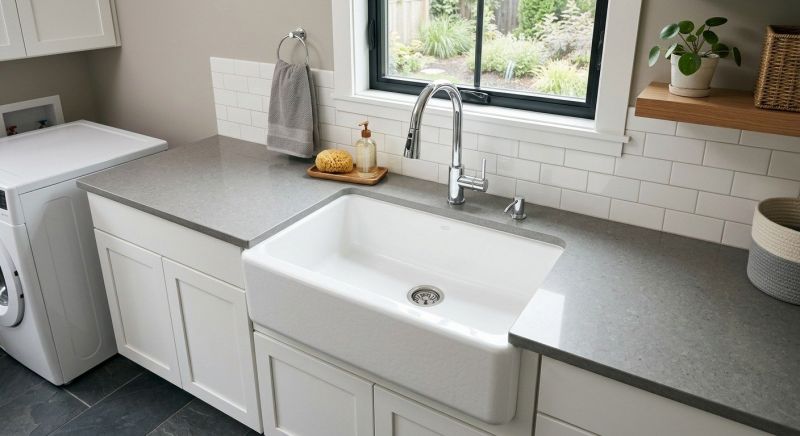
Utility Basin Installation in Denver, CO
Utility basin installation services involve setting up essential underground containers that manage various utility connections on residential properties. These basins are typically used for stormwater drainage, sewage systems, or other underground utilities, helping to prevent flooding and ensure proper flow of water and waste. Projects may include installing new basins during home construction, replacing aging or damaged units, or upgrading existing systems to meet current standards. Property owners often want to understand the types of basins suitable for their property, the installation process, and how the system will integrate with existing infrastructure.
Before requesting utility basin installation, property owners should consider the location for the basin, access for future maintenance, and any local regulations or permits required for underground work. It’s also helpful to assess the size and capacity needed based on property size and usage. Clear understanding of the scope of work, including excavation, connection points, and backfilling, can help ensure the project meets the property's needs and complies with local codes. Proper planning and communication can facilitate a smooth installation process tailored to the property's specific utility requirements.
Many property owners in Denver, CO look into Utility Basin Installation for repairs, replacements, upgrades, and appearance-related improvements.
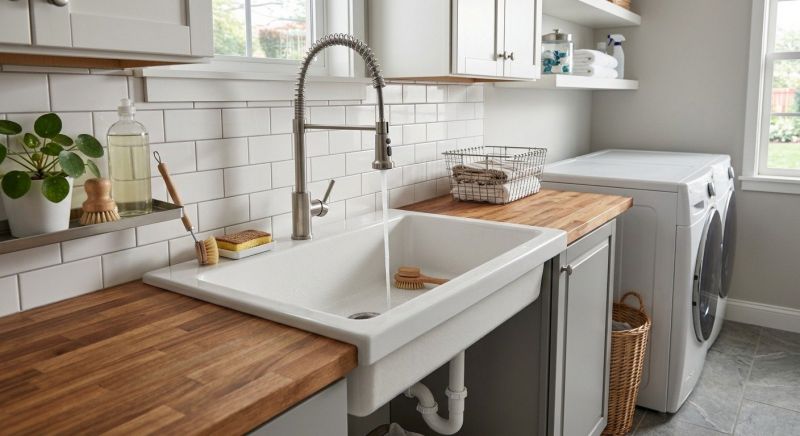
Utility Basin Design And Planning
Proper planning ensures efficient installation and long-term functionality for property utility basins.
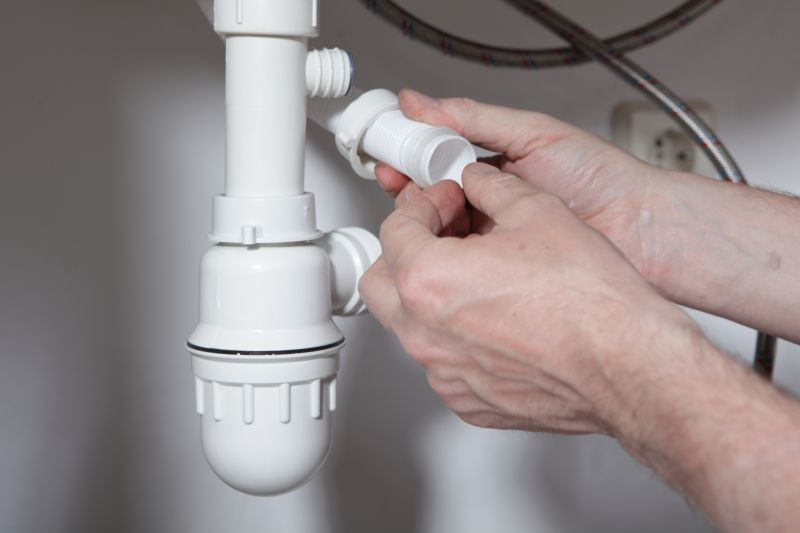
Installation And Replacement Services
Professional installation helps prevent leaks and ensures the utility basin operates reliably in denver properties.
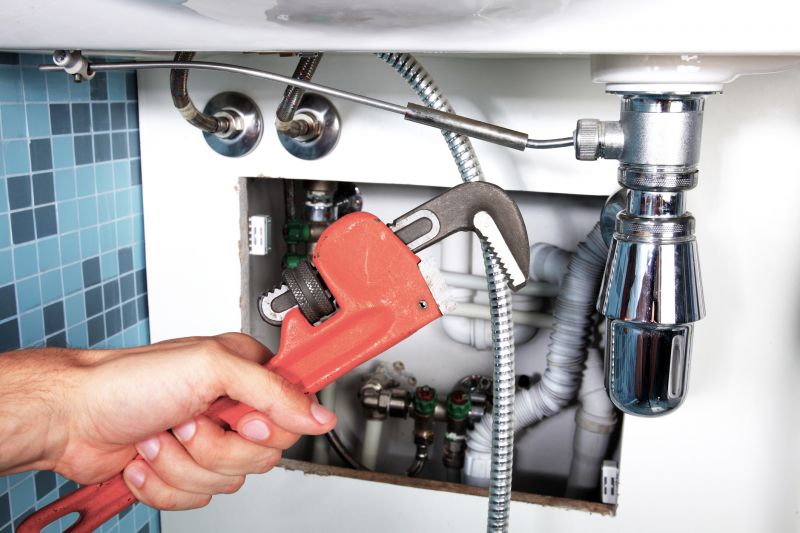
Maintenance And Repairs
Regular maintenance and prompt repairs extend the lifespan of utility basins and prevent costly issues.
Utility Basin Installation in Denver, CO

Utility basin installation services involve setting up essential underground containers that manage various utility connections on residential properties. These basins are typically used for stormwater drainage, sewage systems, or other underground utilities, helping to prevent flooding and ensure proper flow of water and waste. Projects may include installing new basins during home construction, replacing aging or damaged units, or upgrading existing systems to meet current standards. Property owners often want to understand the types of basins suitable for their property, the installation process, and how the system will integrate with existing infrastructure.
Before requesting utility basin installation, property owners should consider the location for the basin, access for future maintenance, and any local regulations or permits required for underground work. It’s also helpful to assess the size and capacity needed based on property size and usage. Clear understanding of the scope of work, including excavation, connection points, and backfilling, can help ensure the project meets the property's needs and complies with local codes. Proper planning and communication can facilitate a smooth installation process tailored to the property's specific utility requirements.
Many property owners in Denver, CO look into Utility Basin Installation for repairs, replacements, upgrades, and appearance-related improvements.
Common Utility Basin Installation Jobs
Utility Basin Installation - Installing basins to manage water flow and prevent flooding around properties.
Storm Drain Setup - Connecting underground drainage systems to direct rainwater away from foundations.
Sump Pump Basin Installation - Setting up basins to house sump pumps for basement water removal.
Irrigation System Basins - Installing basins to support landscape watering systems and sprinkler setups.
Utility Vault Placement - Installing underground vaults for utility access and maintenance needs.
Drainage Channel Installation - Creating channels to improve surface water runoff and reduce pooling.
Utility Basin Installation Questions
What is a utility basin installation? It involves setting up a designated area for utilities such as water, sewer, or drainage systems on a property.
When is a utility basin needed? A basin is typically required when managing stormwater runoff, installing new drainage, or upgrading existing utility connections.
What materials are used for utility basins? Common materials include concrete, plastic, or metal, chosen based on the project’s requirements and site conditions.
How does a utility basin improve property drainage? It helps direct water flow away from structures, reducing pooling and preventing water damage.
Request Utility Basin Installation in Denver, CO
Use the quote form on this page to share the basics of your project and request more information for the type of work you need.